

Earthkeeper – practicing love
Welcome to Earthkeeper
Earthkeeper is a set of practical and professional frameworks for a deep love for nature and a sense of oneness with every living being in it.
.
Earthkeeper works to conserve and restore authentic ecosystems. In terms of science, this means contributing to ensuring the survival and well-being of species in their natural environment. In terms of energies, it means maintaining a primordial and loving resonance in the world.
At the heart of Earthkeeper is a desire to make a difference to nature and its creatures, great and small.

VISION
Our dream
At Earthkeeper, we dream of a planet where we humans show empathy and consideration towards creatures in the natural world as equals, and where we recognise the independent, intrinsic value of all living creatures.
Not for our own benefit, but out of love, compassion and recognition of our oneness.
We dream of a greener planet, with a more loving and reverent view of nature than is the case today.
We believe love is the greatest magic that exists, and that through love we can work miracles, big and small.
MISSION
Earthkeeper is home to projects that create sanctuaries for the natural world.
At Earthkeeper, we work to create sanctuaries for the natural world. Sanctuaries where intact, authentic ecosystems can exist in harmony as far as possible, protected from negative impact and exploitation.
Some projects involve nature restoration, with a strong focus on active reinstatement and management over a period of time, while others are purely nature conservation projects.
The first Earthkeeper project is Klelund Dyrehave, which has existed as a nature restoration project since 2010. Here, a former plantation property is being converted into Danish wilderness.
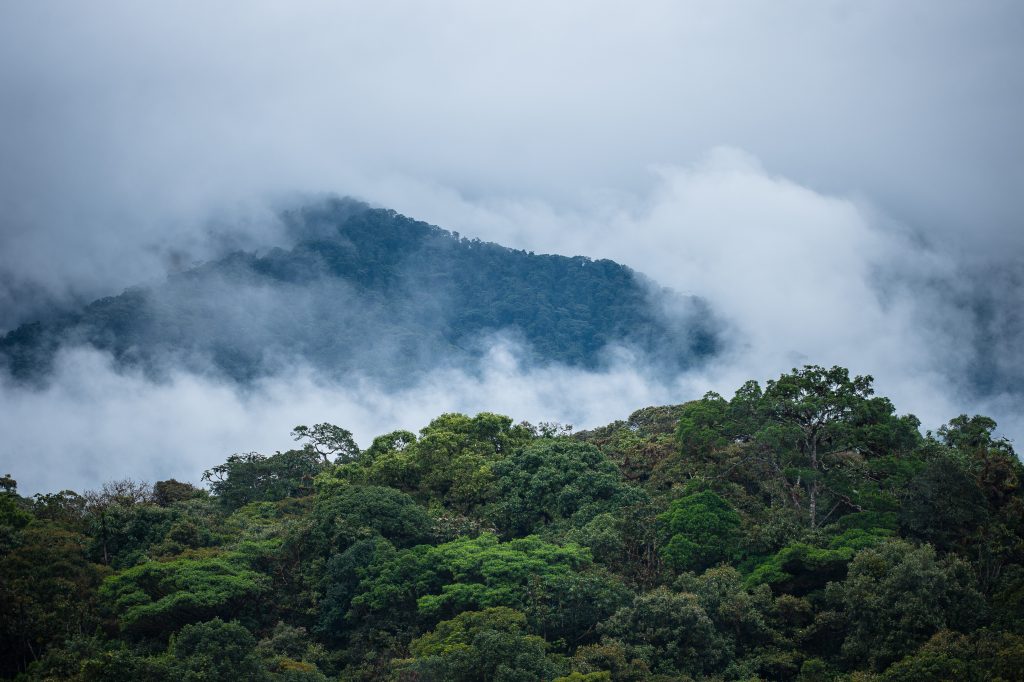
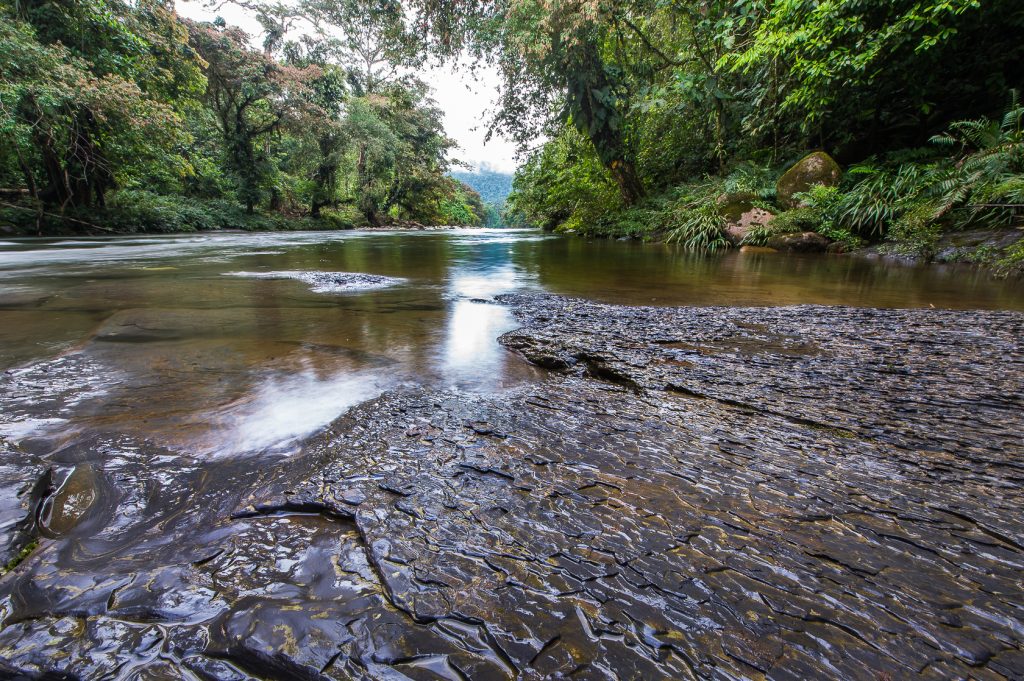
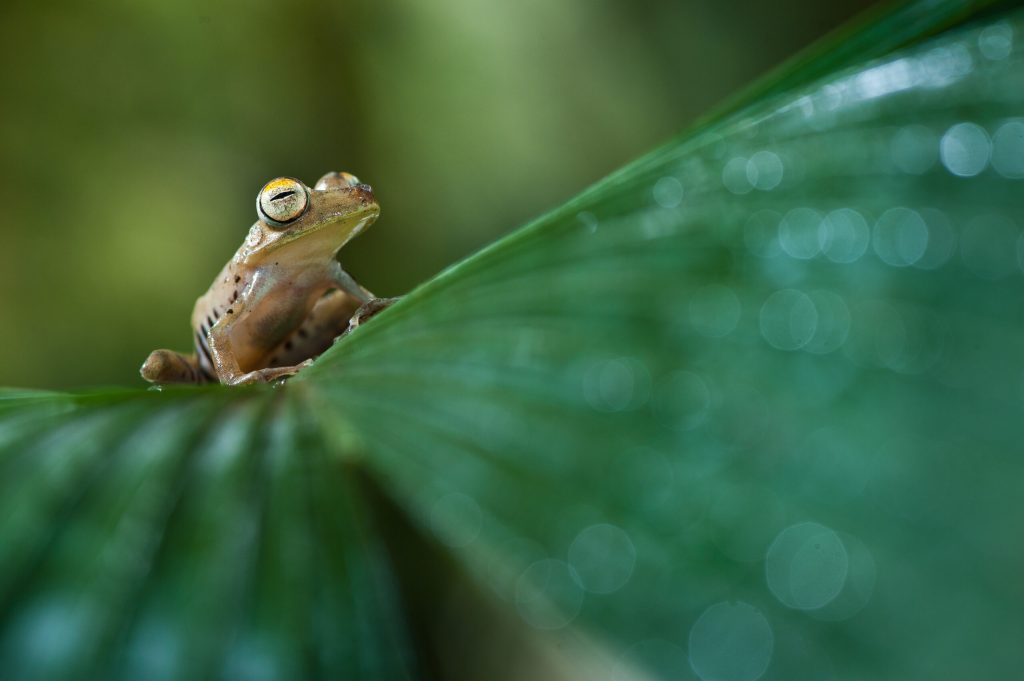
In 2021, Earthkeeper embarked on international nature conservation with a view to purchasing rainforest in Ecuador for protection and conservation purposes. Earthkeeper’s global efforts to conserve authentic ecosystems have since been expanded and consolidated into the Earthkeeper Sanctuaries project. In 2025, Sofie Kirk founded Earthkeeper Sanctuaries Fonden to provide a lasting organisational framework for these nature projects.
In 2023, Earthkeeper took over Strathconon Estates in Scotland and initiated a process to transform the property into a wholehearted nature project.
With over 15 years of activity behind it, Earthkeeper is now embarking on a new chapter, with the ambition of securing many more sanctuaries in the natural world over the coming years and leaving the world a little bit greener and more loving in the process.
“As far back as I can remember, I have felt more at home in the forest and among the animals than anywhere else. The trees and the animals are my family, the forest is my home, the forest is my heart; I am the forest, and the forest is me.”
Earthkeeper – a personal pathway
“Since my earliest childhood, I have felt two things most strongly in my life: a desire to make a difference, and a deep love for and sense of oneness with nature.
I have trodden many paths to explore that love and that sense of oneness, to find its roots, truth and expression. I don’t have all the answers; as people, we are lifelong learners, also when it comes to our own hearts, and as I always do my best to follow my heart, Earthkeeper’s frameworks are in continuous development.
I have always been keen to look at themes from several angles, to understand from several fundamental views of life and schools of thought, to use both my senses and my logic, both my heart and my mind.
I have therefore studied science as well as spent time delving into spirituality and my sentient experience of nature and the love that I’ve found inhabits nature.
I find it interesting and enriching to understand and acquire knowledge about processes and conditions in the natural world from a scientific point of view. And I am nourished on a deep spiritual level by my sense of oneness with every little facet of nature; a sense of connectedness with the infinite love that is the source of all things.
You could say Earthkeeper is my way of balancing my inner and outer worlds.”
Sofie Kirk
founder and proprietor of Earthkeeper


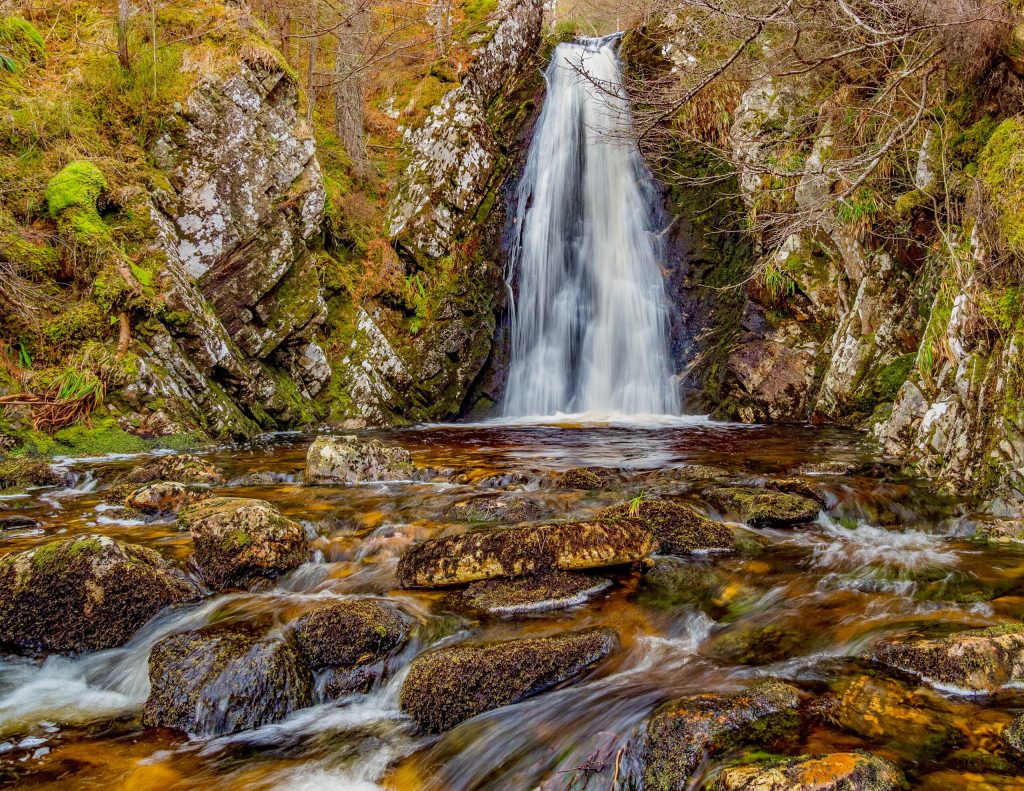
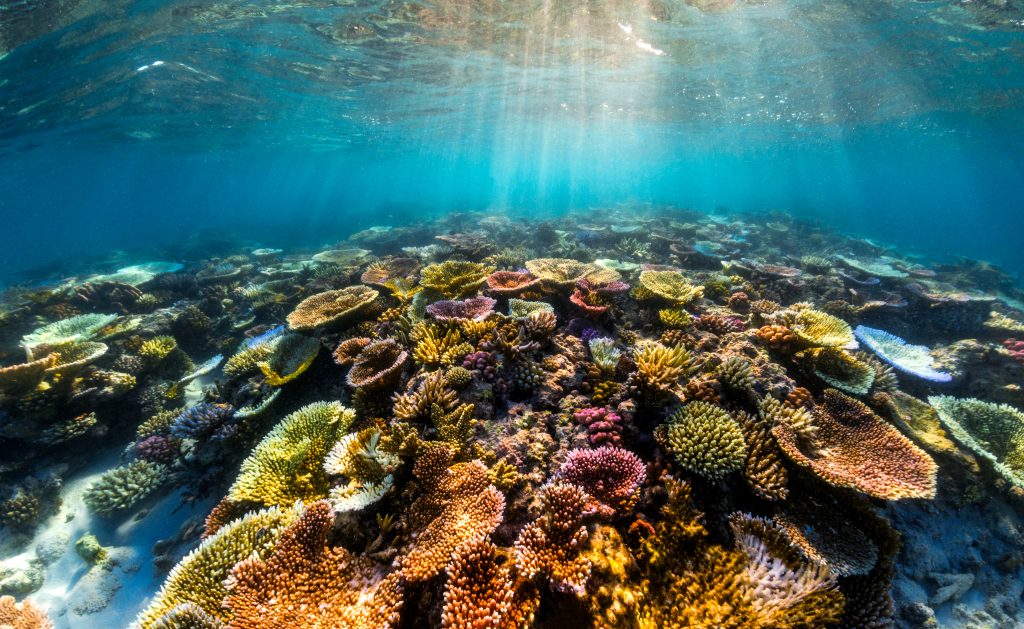


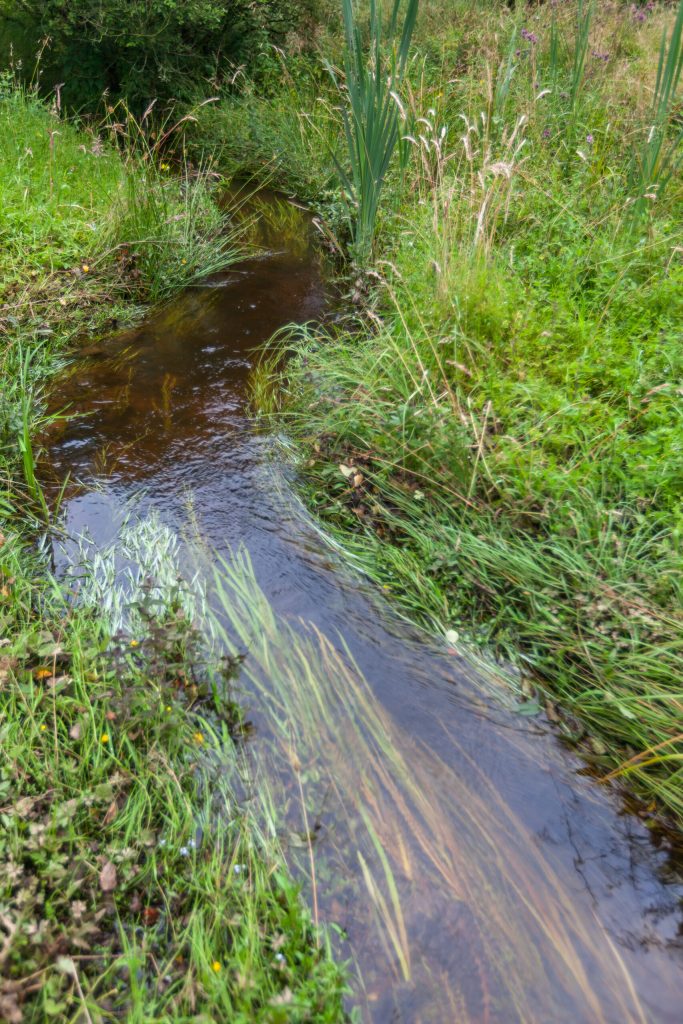
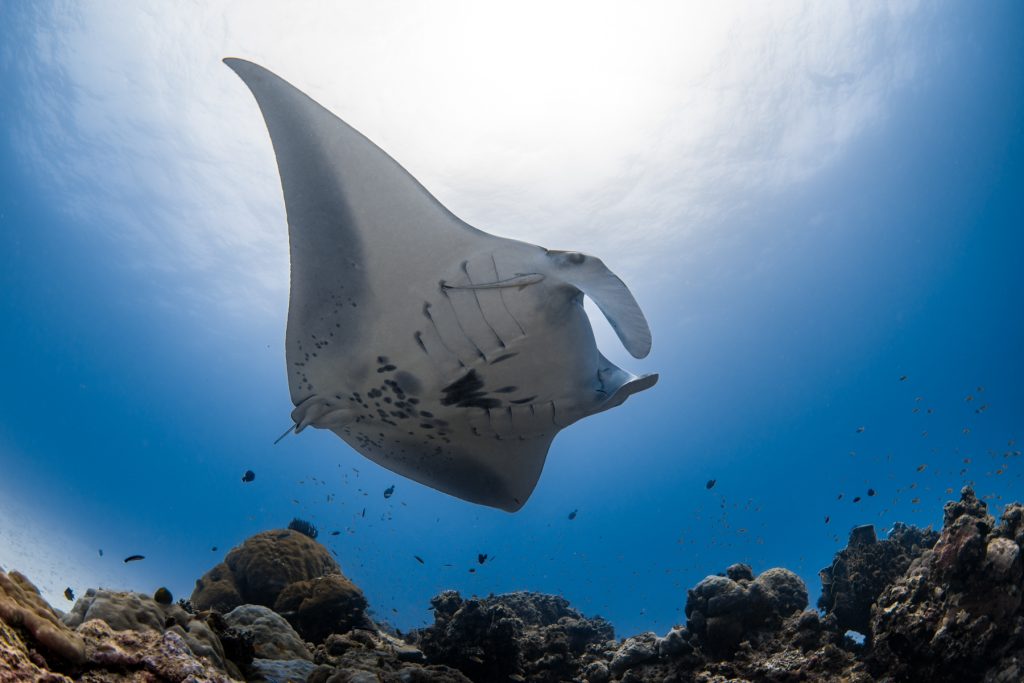





“What is man without the beasts? If all the beasts were gone, man would die from a great loneliness of the spirit. For whatever happens to the beasts, soon happens to man.
All things are connected. This we know – the Earth does not belong to man – man belongs to the Earth. This we know.”
Chief Seattle, 1854
Klelund Dyrehave – a plantation covering 1,415 hectares given back to nature as an oasis for biodiversity
Denmark
Klelund Dyrehave
Klelund Dyrehave is Denmark’s first so-called biodiversity deer forest and was established in 2010 on a former plantation property.
Here, Christmas trees, cut greenery, pesticides, fertilizer and hunting parties have been replaced by untouched forest, planting of native trees, restoration of watercourses and streams, deer within their natural social dynamics, wild boar, wolves, white-tailed eagles and an overall increase in biodiversity.
Klelund Dyrehave is an Earthkeeper project which has required a strong focus on active management from the outset.
Efforts to bring the area back to a richer natural starting point have been intensive over the first 10 years. Our premise is that the area should eventually be left to its own natural development, but first it was necessary to reinstate the foundations of a well-functioning ecosystem.
For example, we removed the exotic, invasive tree species and replaced them with native tree species.
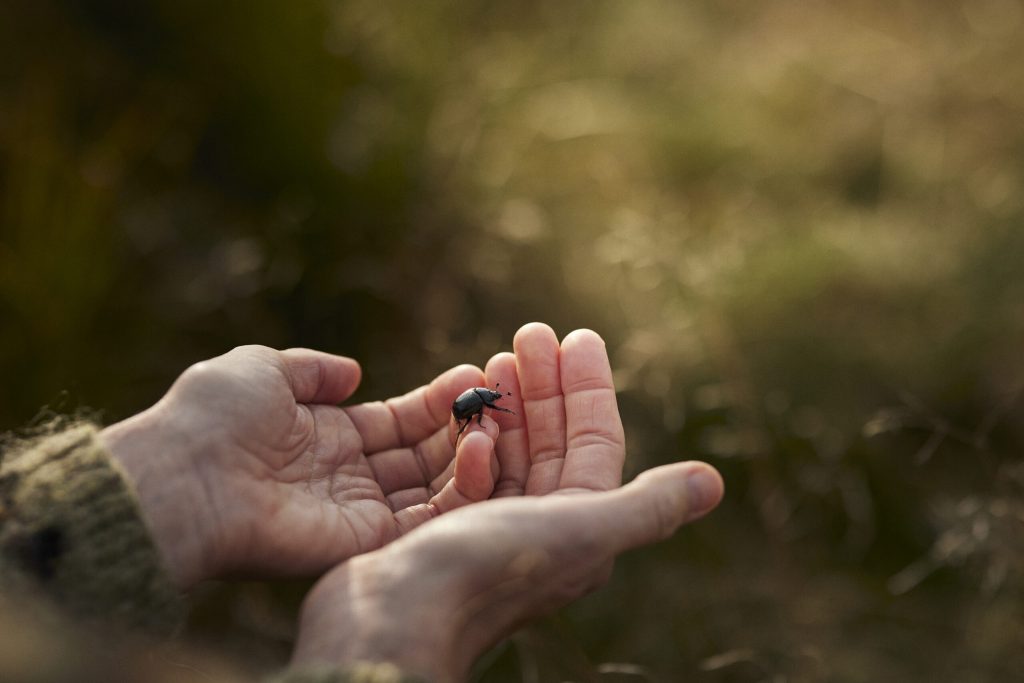
We introduced dead wood for the benefit of for example beetles and birds, and released wild boar to promote natural dynamics and variety.
We restored part of Nørrebækken, where former owners had established a fish farm, and we’re still working on restoring natural hydrology where possible.
A few years ago, wolves settled in Klelund Dyrehave, making nature even wilder and contributing to an authentic ecosystem.
We’ve now reached the point where we no longer have to disturb nature in Klelund Dyrehave with major management measures; instead, we can take a step back to make room for a freer and wilder development of nature.
For more information, visit Klelund Dyrehave website >>
Strathconon Estates – 33,500 hectares in the Highlands of Scotland is being transformed to enrich the fauna and habitat
Scotland
Strathconon Estates
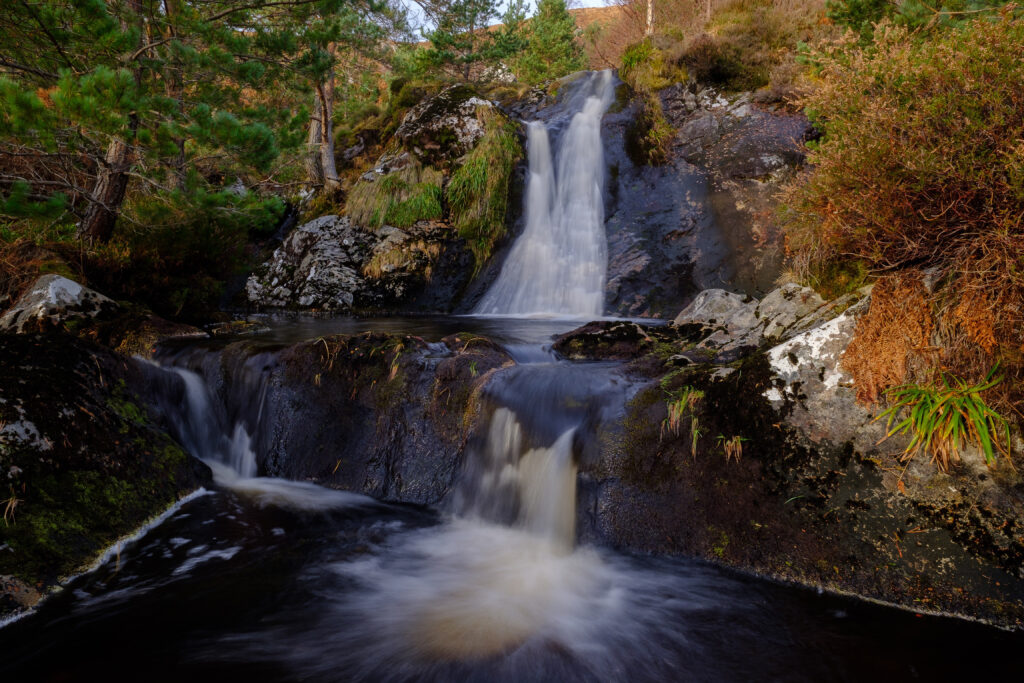
In January 2023, Earthkeeper acquired Strathconon Estates, a traditional Scottish sporting estate, where encouraging steps had already been taken to increase natural content. The next phase focuses on building upon and scaling up these efforts, transforming Strathconon Estates into a wholehearted nature project.
We don’t need to look to the tropics to see how we humans have reshaped forest extending as far as the eye can see into bare, open landscapes. Until relatively recently – in the history of forestry – large parts of the Highlands of Scotland, which we now associate with open spaces, were covered by Europe’s largest temperate rainforest. Today, very little is left of that original vegetation, but in the peat of raised bogs, millions of tree stumps tell the story of eons of trees and the associated biodiversity.
At Strathconon Estates, we’re working to rebuild the foundations of a wild, self-sustaining landscape.
For example, we’re working to reinstate the natural forest cover, connecting existing forest areas, removing invasive species and converting former production forest into virgin forest.
We’re working on restoring raised bogs and – in the absence of natural predators – we’re working on reducing the unnaturally high red deer population on the estate to a biologically sustainable level in favour of more vulnerable flora and fauna.
Read more on Strathconon’s website >>
Global
Authentic ecosystems and biodiversity
At Earthkeeper Sanctuaries, we have brought together Earthkeeper’s global efforts to conserve and protect authentic ecosystems and biodiversity, both directly through the acquisition of natural areas and indirectly through support for research projects and knowledge sharing.
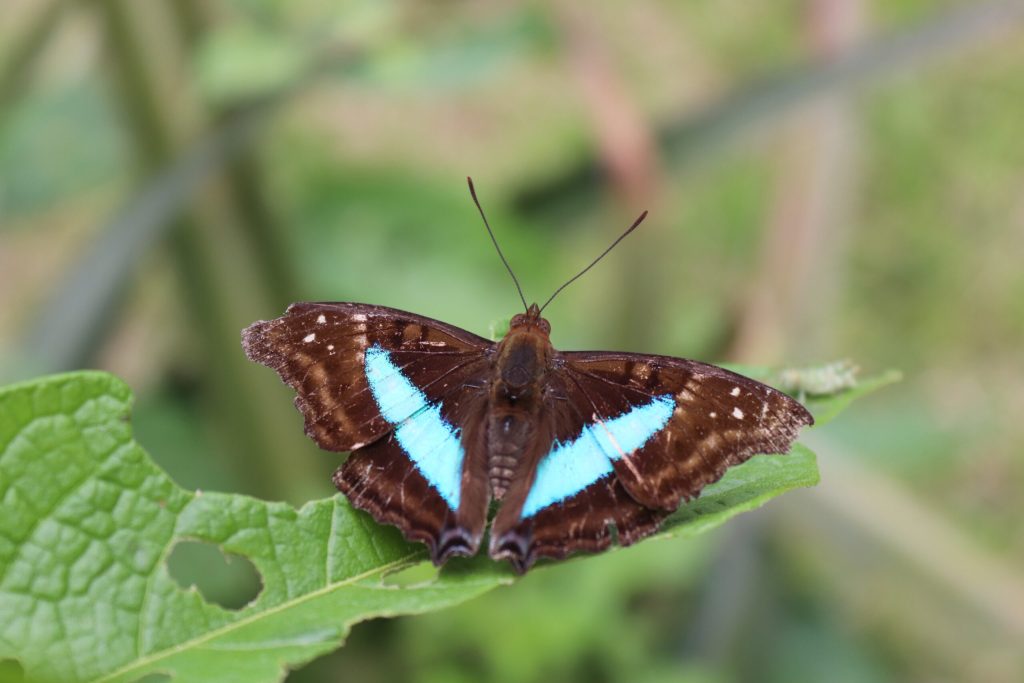
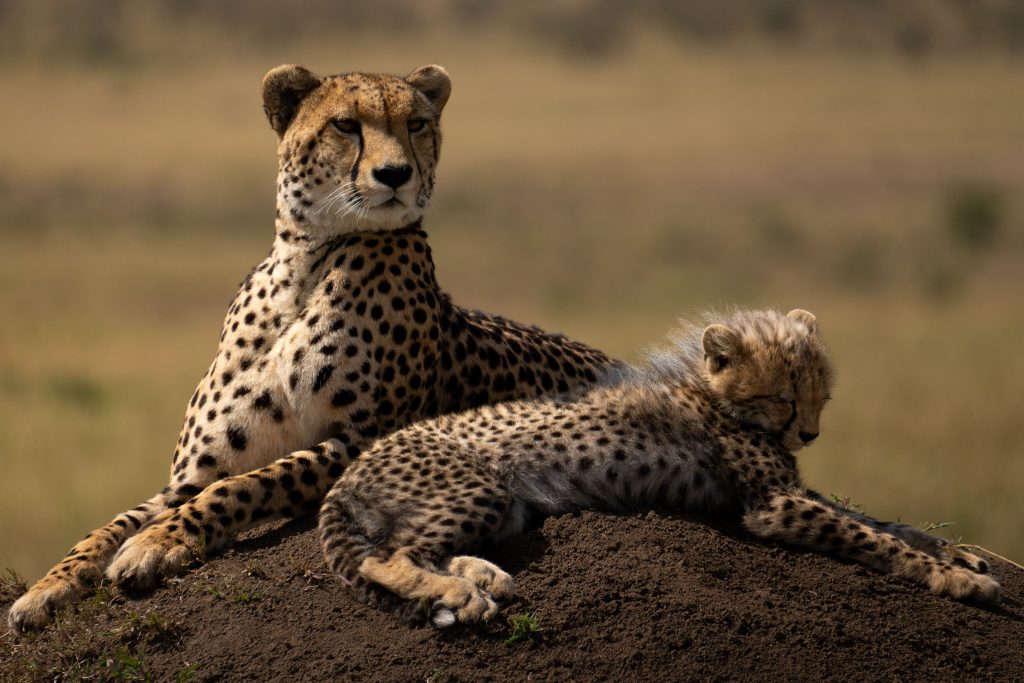
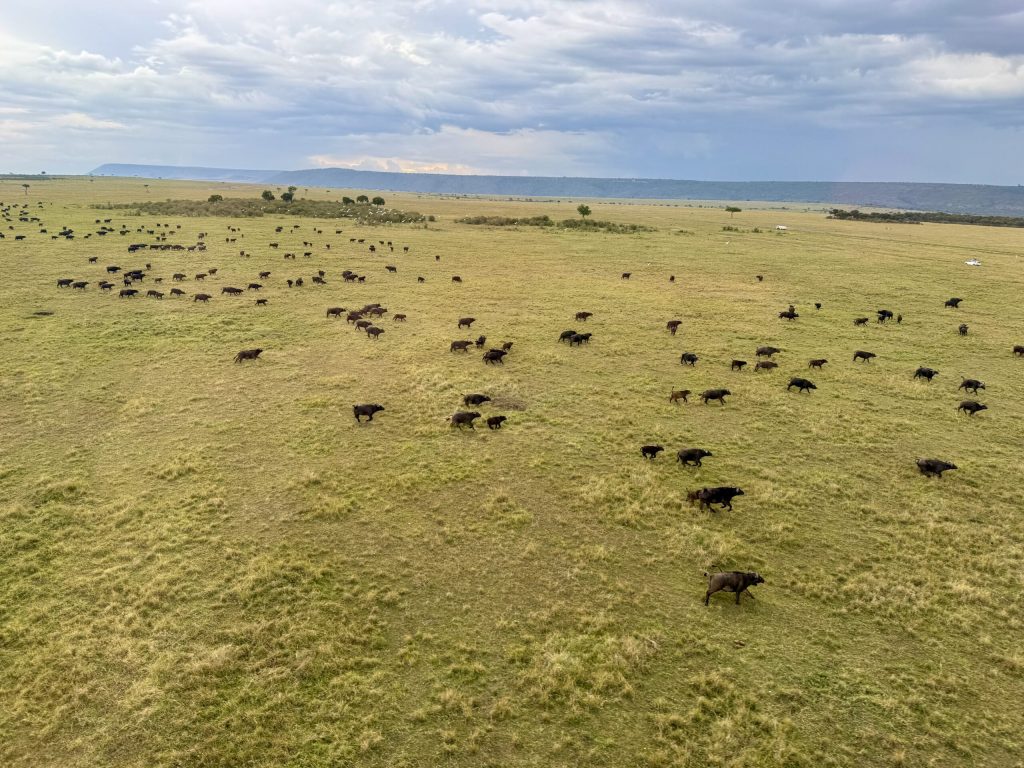
Earthkeeper Sanctuaries safeguards and protects sanctuaries for the natural world in Ecuador, Kenya and Papua New Guinea, with the wish of expanding to other ecosystems over the coming years.
